
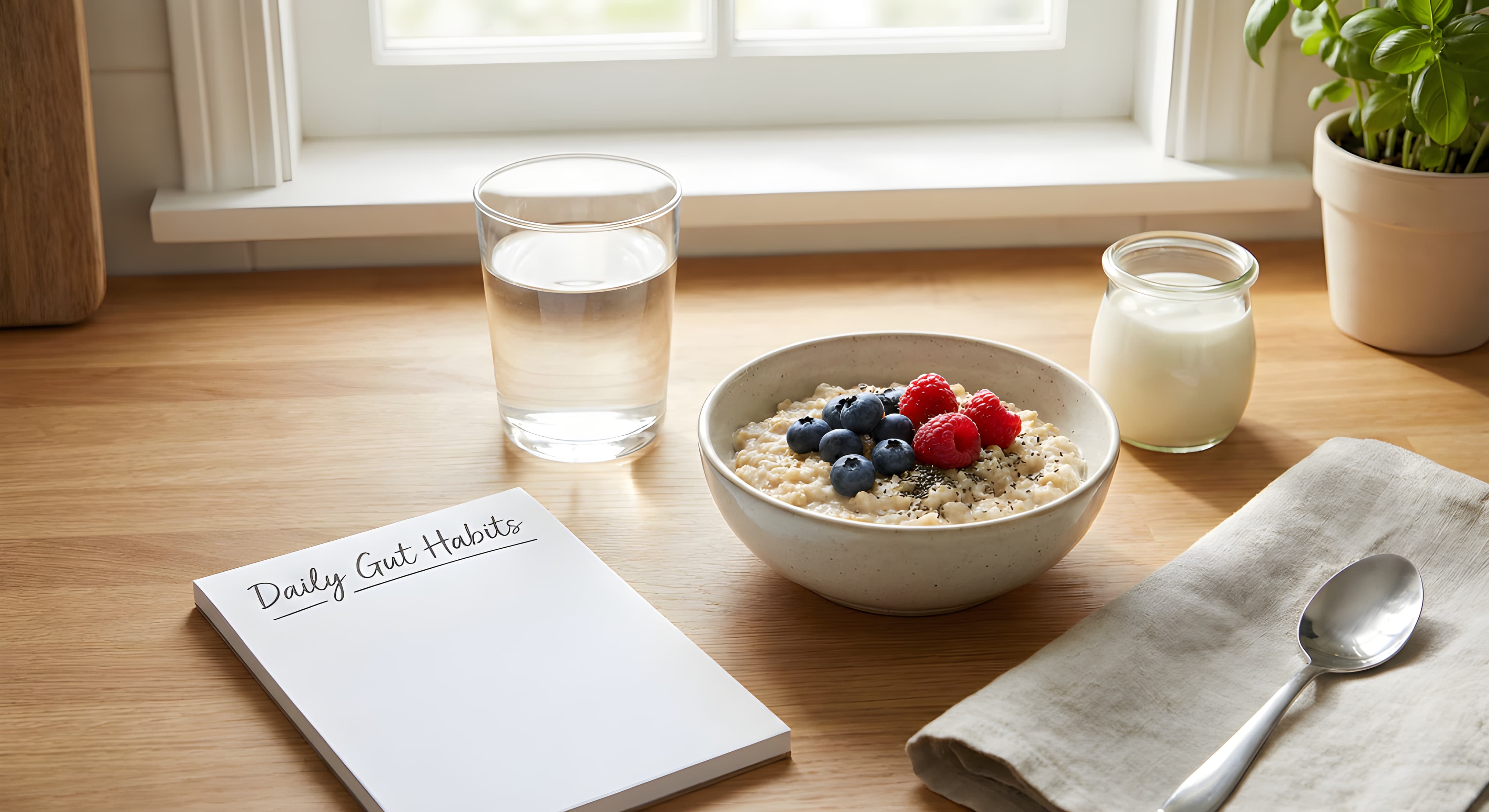
Before you start: the 2 minute baseline
Grab a note in your phone and answer quickly. This baseline makes it easier to notice real improvement and prevents changing ten things at once.
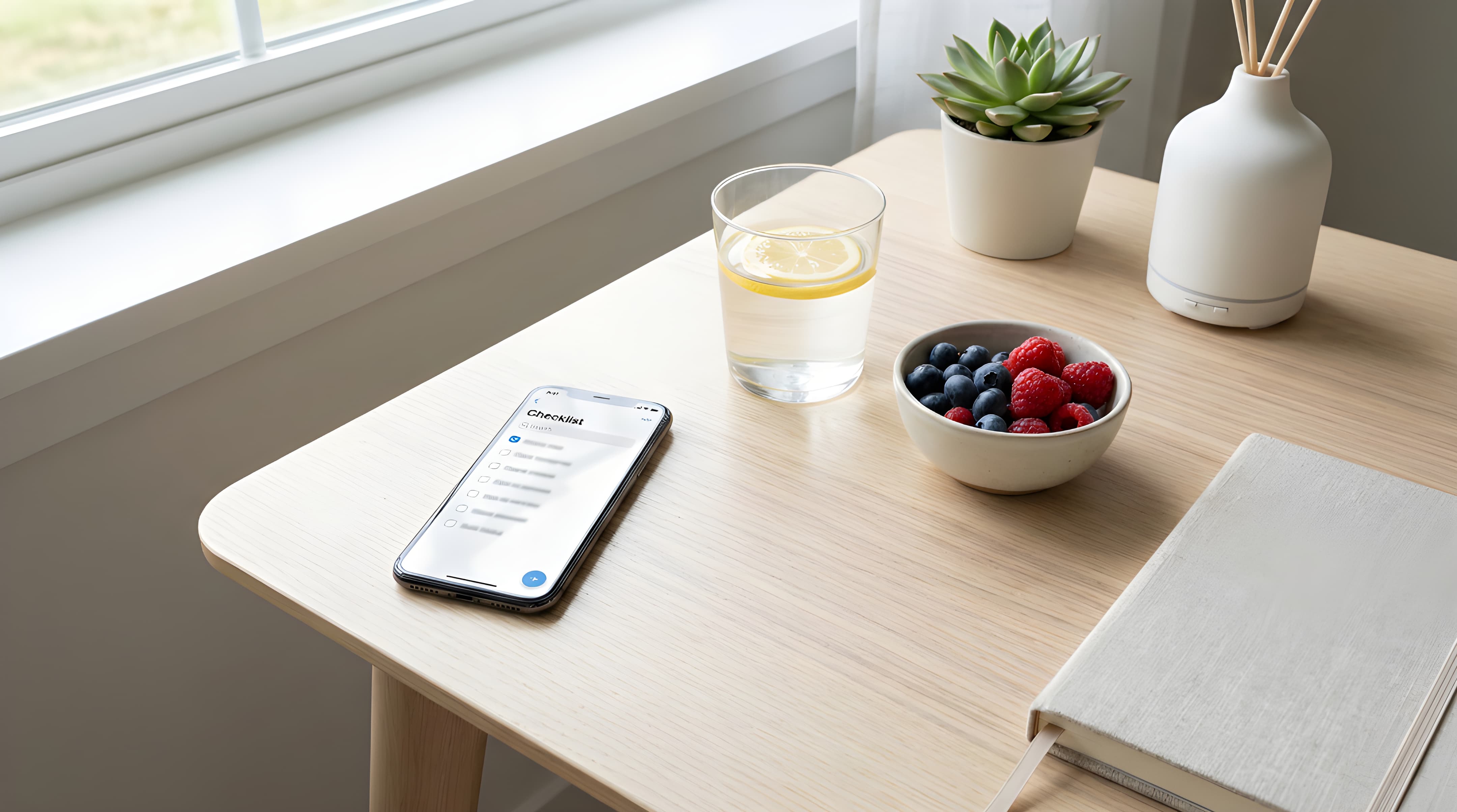
- Bathroom pattern: typically daily, every other day, or less often?
- Bloating most days: low, medium, high?
- Fiber foods today: fruits, veg, beans, whole grains, nuts, seeds?
- Movement: did you walk at all after meals?
- Stress level: low, medium, high?
The goal is not a “perfect” gut. It’s a gut that bounces back. Signs your habits need support include bouncing between constipation and loose stools, or feeling “heavy” after normal portions.
1. Anchor your day with fiber at breakfast
Best first stepIf you only fix one thing, make it this: add fiber early. Fiber supports regularity and feeds beneficial microbes. Many people do well aiming around 25 to 30 g per day to start.
Two easy upgrades
Choose one of these to start:
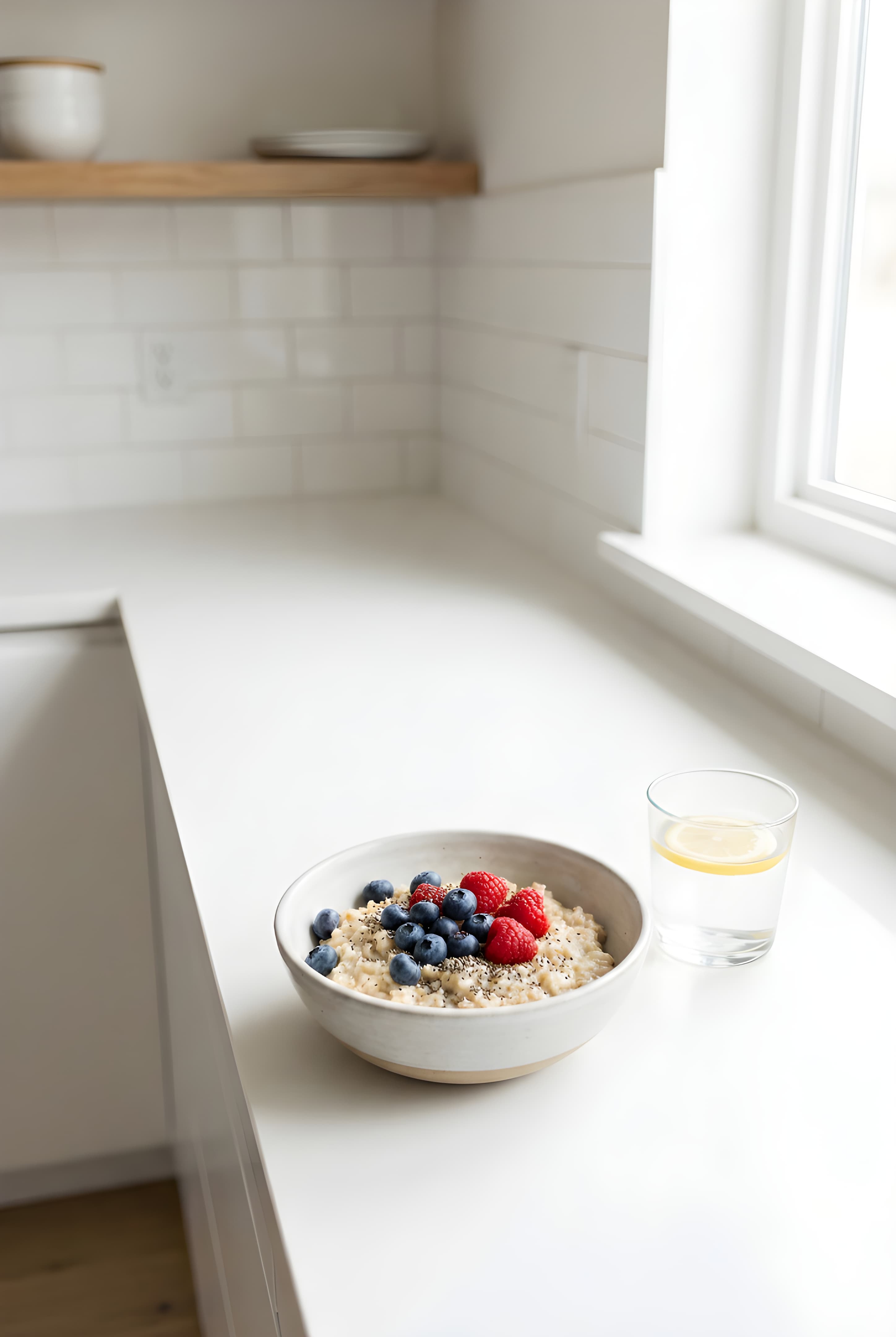
- Oatmeal with chia or ground flax plus berries.
- Greek yogurt or kefir with berries plus chia and a handful of oats.
- Increase fiber slowly.
- Cook fruit (like stewed apples) if raw fruit bloats you.
- Add water the same week you increase fiber.
2. Add one prebiotic food daily
Prebiotics are fiber rich foods that microbes ferment. You do not need a supplement to start. Fermentation helps create compounds linked to gut lining support.
Pick one daily
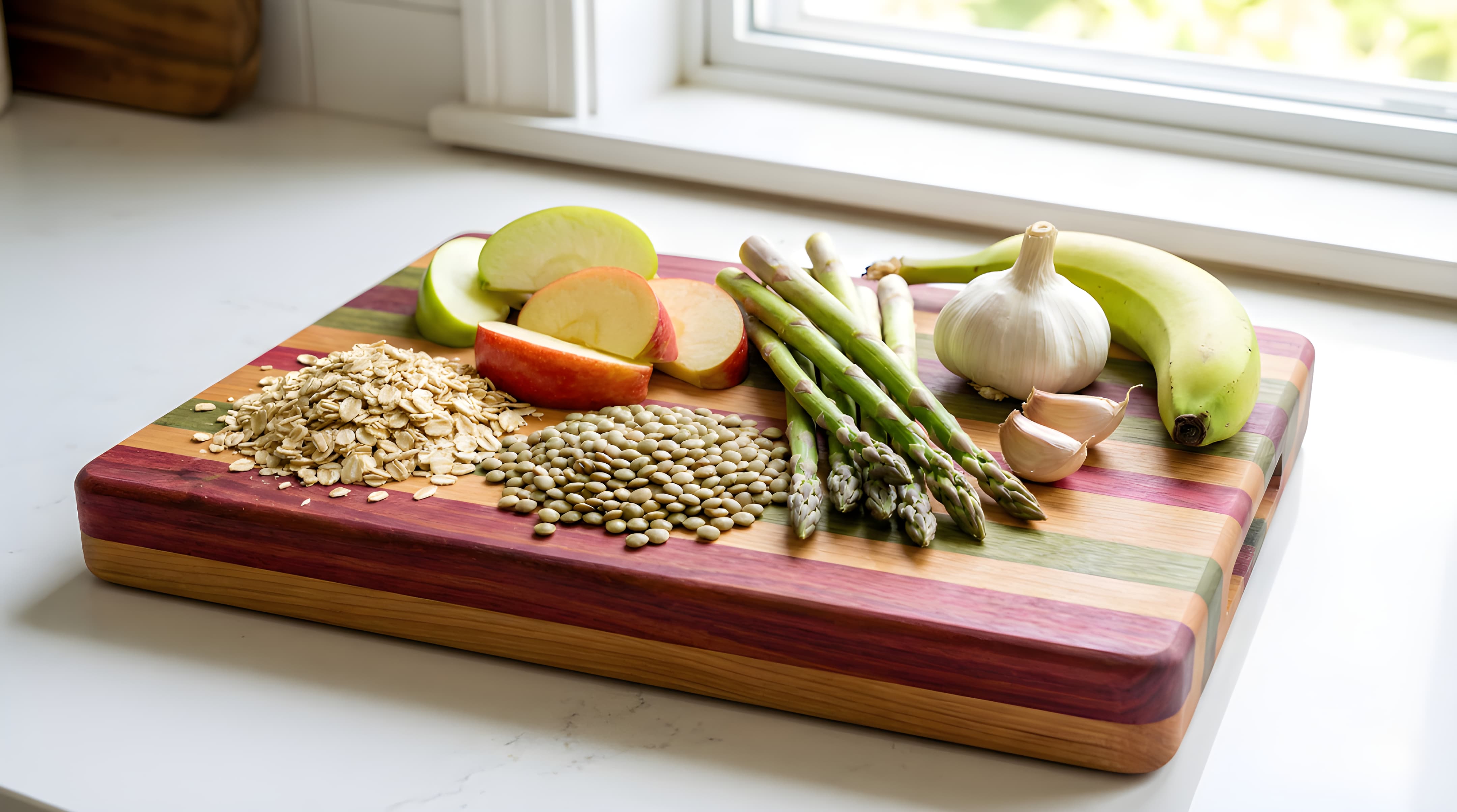
- Beans or lentils (even 2–3 spoonfuls counts).
- Oats.
- Apples or pears.
- Onions or garlic (cooked is fine).
- Slightly green banana.
- Asparagus.
- Barley or cooled potatoes/rice (resistant starch).
Start with smaller portions and choose cooked options first.
3. Eat fermented foods 3–5 times per week
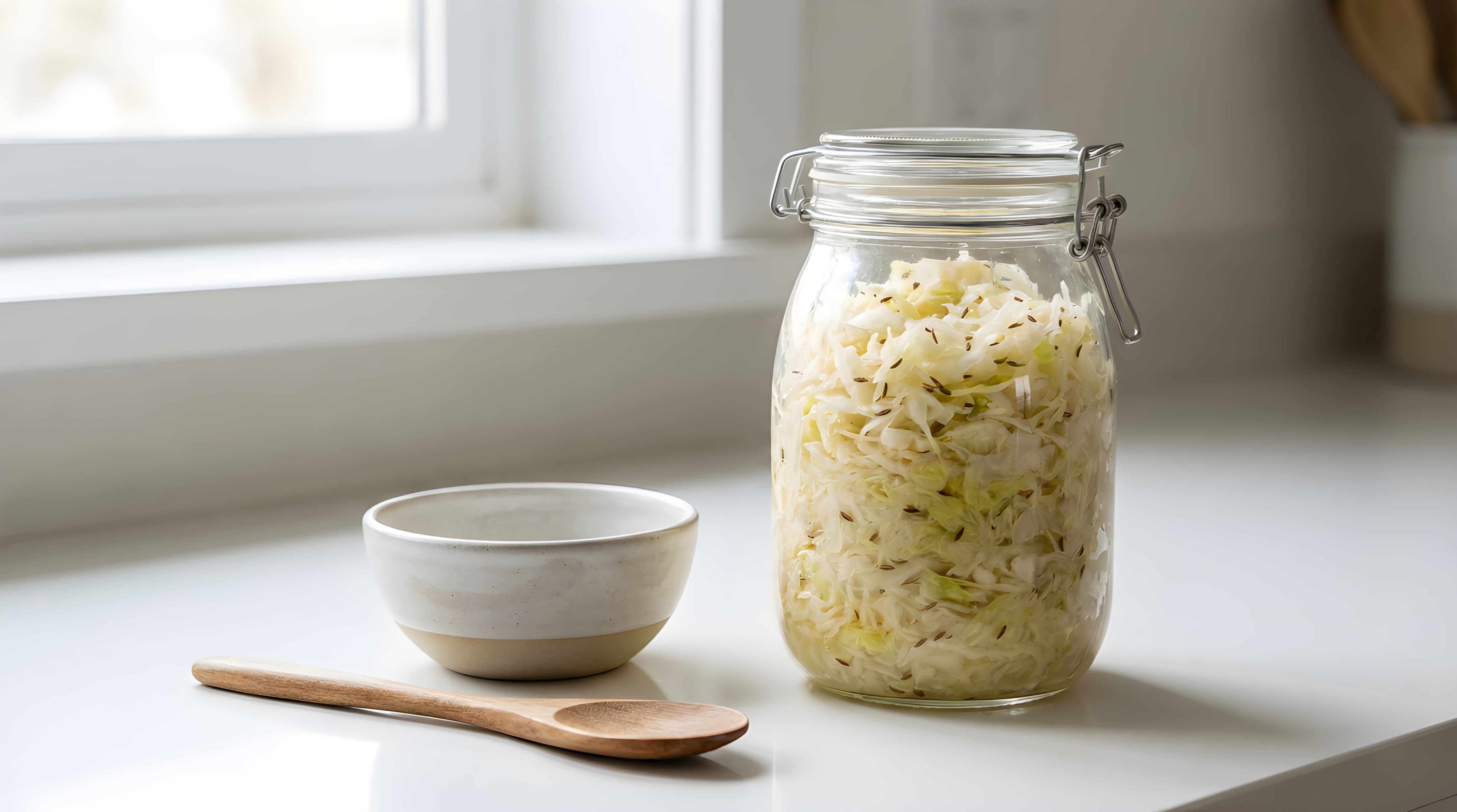
Fermented foods with live cultures can support a healthier gut environment for many people.
Easy options
- Yogurt with live cultures.
- Kefir.
- Sauerkraut or kimchi (small portion).
- Miso or Tempeh.
Start with 1–2 tablespoons of fermented vegetables or ½ cup yogurt. Build slowly over 1–2 weeks. Choose lower spice options if you’re sensitive.
4. Reduce ultra processed foods most days
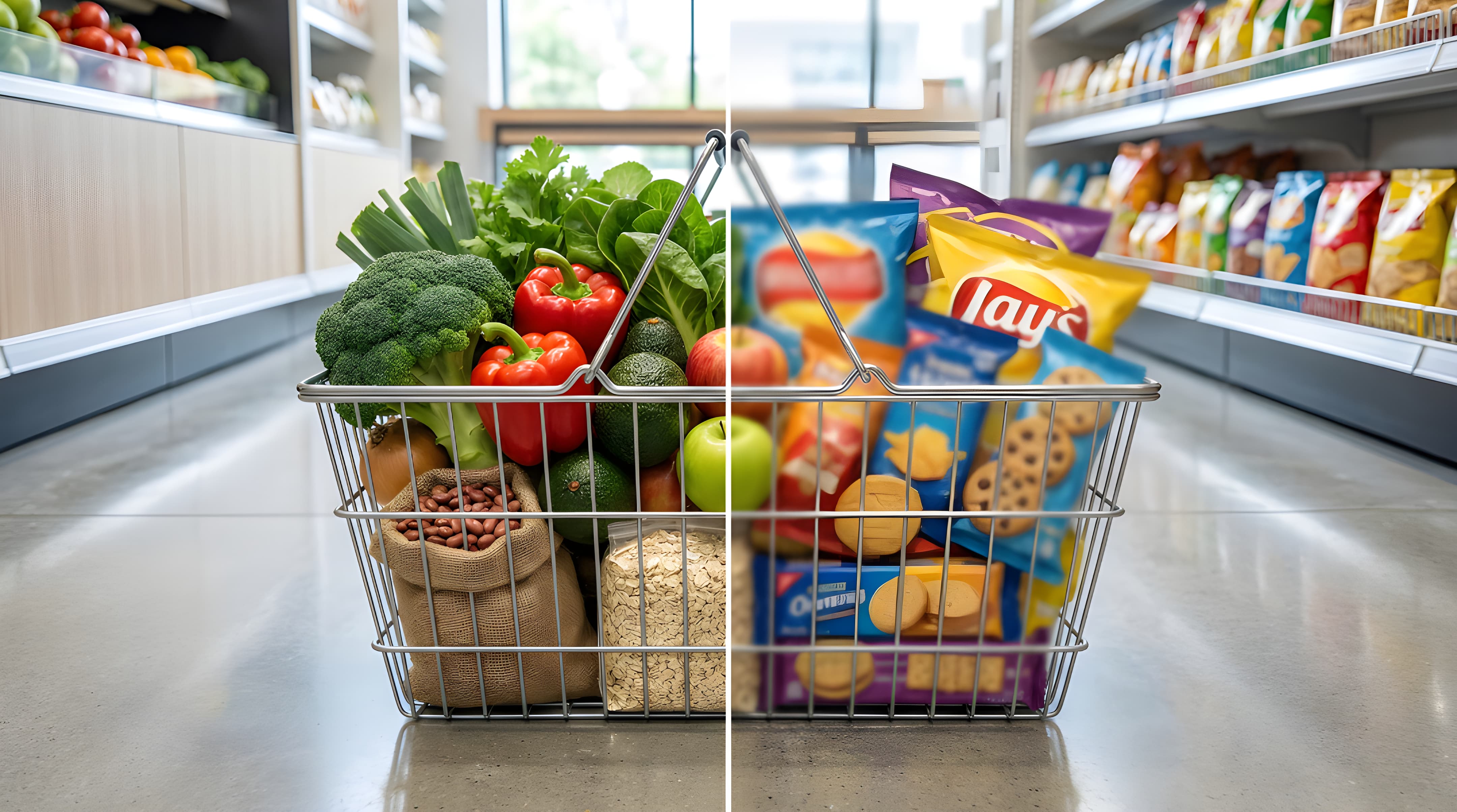
This is one of the most reliable “quick wins” for less bloating and steadier energy. Aim for 80 percent of meals to look like ingredients, not products.
Two swaps that work fast
- Replace one packaged snack with nuts plus fruit.
- Replace one sugary drink with water or unsweetened tea.
If you only change one thing this week: change what you snack on.
5. Hydration with a routine
Hydration supports stool consistency, especially when you increase fiber. If you add fiber without adding fluids, constipation can get worse.

Morning
1 glass of water within 30 minutes of waking.
1 glass mid-morning.
Afternoon/Eve
1 glass mid-afternoon.
Water with dinner.
6. Take a 10 minute walk after one meal
This habit supports motility and can reduce that “heavy after eating” feeling.

Start tiny
Pick one meal and walk 10 minutes within 30 minutes after eating.
- If you already walk, add two 10 minute walks per day.
- If the weather is bad: walk inside, do stairs slowly, or do a 10 minute gentle mobility routine.
7. Slow your eating speed
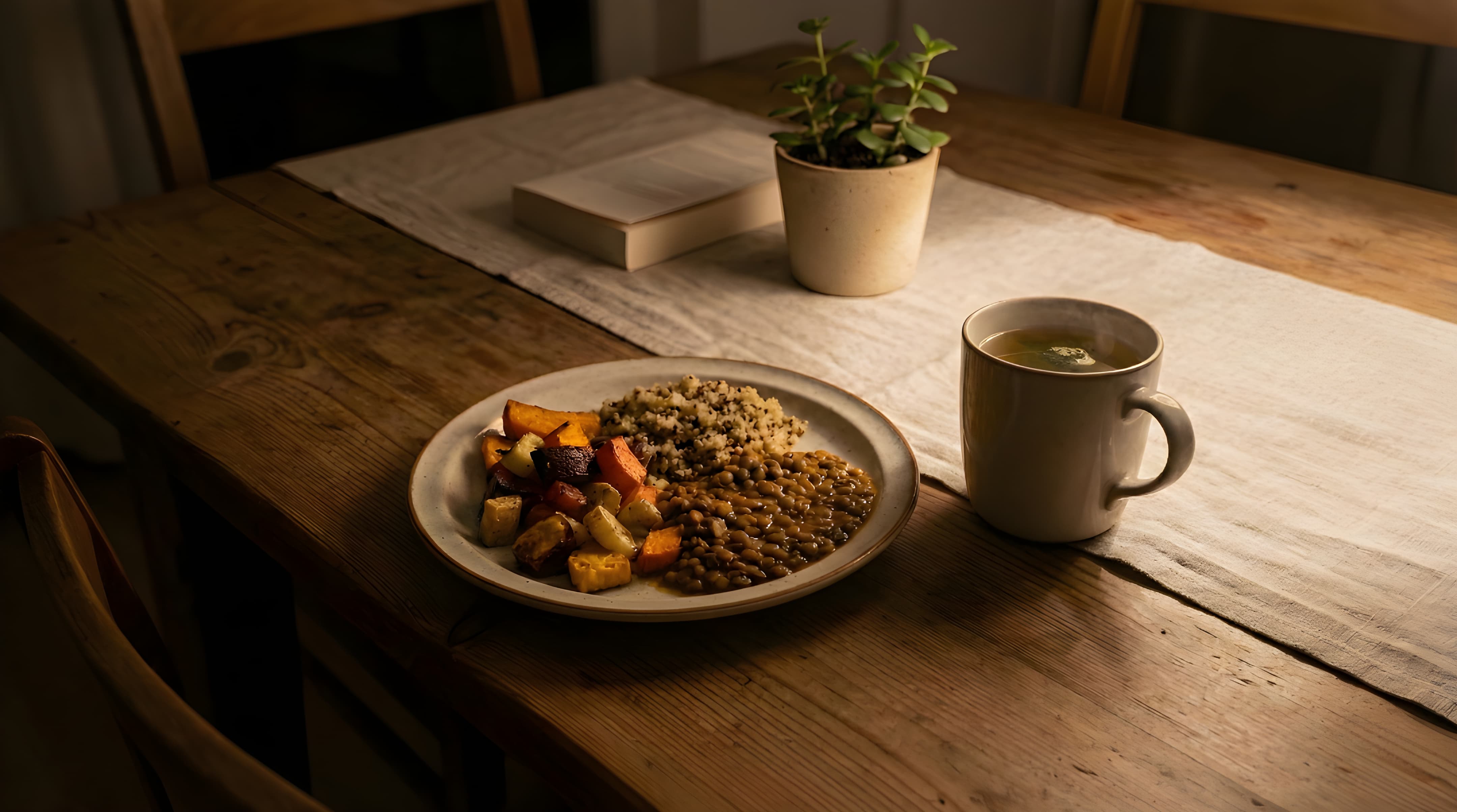
Eating fast can increase swallowed air, bloating, reflux, and discomfort. Slowing down supports the rest and digest state. Many people notice less bloating within a week just from this habit.
Try this at one meal today
- Take three slow breaths before the first bite.
- Chew until food is soft before swallowing.
- Put your utensil down a few times during the meal.
8. Build a steady meal rhythm
Your gut likes predictability. Irregular eating can make motility and hunger signals feel chaotic.
- Eat within a 10–12 hour window most days.
- Avoid huge gaps followed by very large meals.
- Keep dinner portions reasonable and earlier when possible.
- If your schedule is unpredictable, anchor one consistent meal daily (breakfast is often easiest).
9. Add polyphenols and plant variety
Polyphenols are plant compounds that appear to interact with the microbiome in helpful ways. Aim for 2–3 different plant foods per meal when you can.
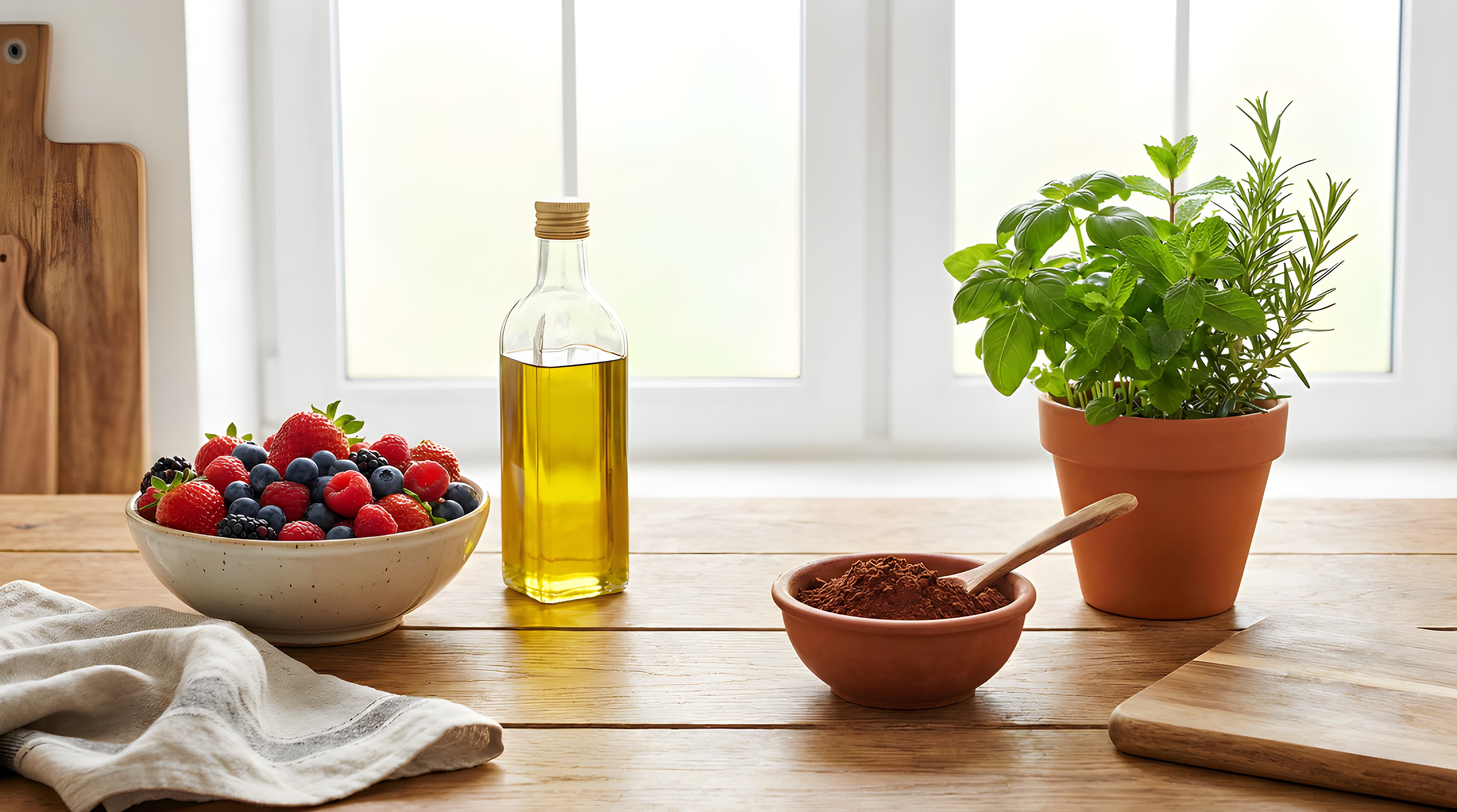
- Berries.
- Green tea.
- Extra virgin olive oil.
- Herbs and spices.
- Cocoa in small amounts.
10. Stress downshift for 2 minutes
Stress can change motility and sensitivity. A small daily downshift helps your gut stay steadier.
Do this once daily
Ideally before a meal:
- Inhale through your nose for 4 seconds.
- Exhale slowly for 6 seconds.
- Repeat for 2 minutes.
Simply breathe slowly and extend the exhale.
Want the step by step version of this habit and a 7 day starter plan? Read the 2 minute breathing reset before meals guide.
A simple 7 day starter plan
Use this if you want structure without overwhelm. By the end of the week, you built a routine, not a temporary challenge.
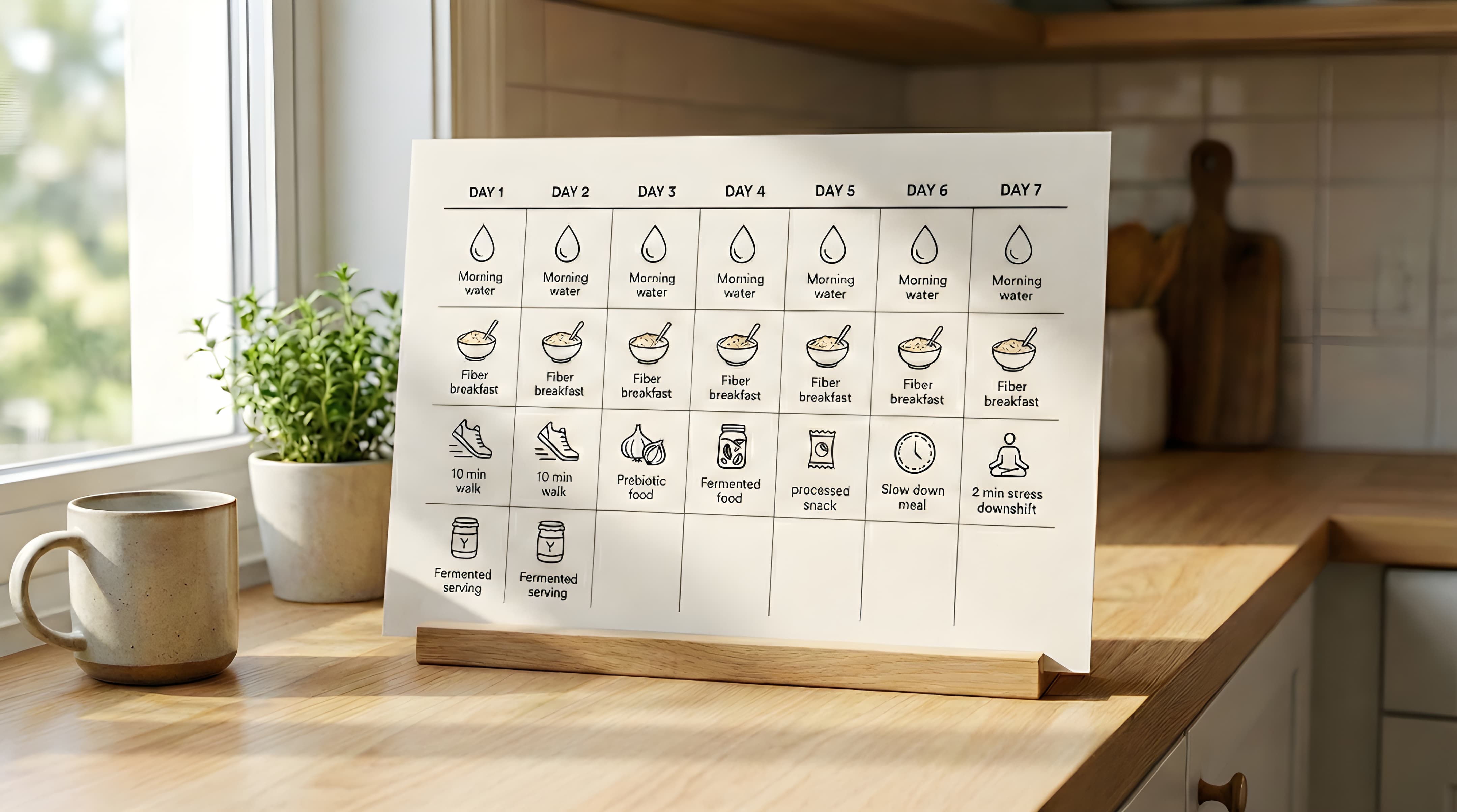
- Day 1: Fiber breakfast + morning water.
- Day 2: Add a 10 minute post meal walk.
- Day 3: Add one prebiotic food.
- Day 4: Add one fermented food serving.
- Day 5: Swap one ultra processed snack.
- Day 6: Slow down at one meal.
- Day 7: Do the 2 minute stress downshift.
FAQ
How long does it take to improve gut health?
Many people feel small improvements in the first week if they reduce ultra processed foods, improve hydration, and slow eating. More stable changes often show up over 2–3 weeks once fiber and movement are consistent.
What is the single best habit for digestion?
For most people, it’s consistently eating more fiber rich foods and increasing gradually, while also drinking enough fluids.
Are fermented foods better than probiotics?
For many people, fermented foods are a simpler first step because they build a food routine. Supplements can help some people and do nothing for others. If you try a probiotic later, test one product at a time for 2–4 weeks.
Why do I get bloated when I eat healthy?
Often it’s a speed and volume issue. If you suddenly add a lot of beans, raw veg, and fiber without building slowly, bloating can spike. Reduce the jump, cook vegetables more, add fluids, and keep walking.
What foods support a healthy gut microbiome?
A varied plant forward pattern tends to support a more resilient microbiome: whole grains, beans, fruits, vegetables, nuts, seeds, plus fermented foods a few times per week.
Do I need to avoid gluten or dairy for gut health?
Not unless you have a confirmed intolerance or it clearly triggers symptoms. Many people tolerate yogurt or kefir well. If you suspect sensitivity, test one change at a time for 2–3 weeks.
Are ultra processed foods really that bad for gut health?
Evidence keeps stacking up that a high ultra processed diet is associated with worse outcomes overall. Cutting back is one of the most reliable levers for digestive comfort and steadier energy.
How much water should I drink for constipation?
Needs vary, but adequate fluids are commonly recommended alongside fiber and activity. A practical routine is several glasses spaced through the day, especially when increasing fiber.
Does stress really affect digestion?
Yes. Stress can change motility and sensitivity and make symptoms feel louder. A short daily downshift before meals can improve comfort over time.
What if I have reflux or heartburn too?
Try smaller dinner portions, eat slower, avoid lying down right after meals, and keep evening food less greasy or spicy. If symptoms persist, talk to a clinician.
Is coffee bad for gut health?
Not automatically. Some people tolerate coffee well, and it can increase motility. If it worsens diarrhea, reflux, or anxiety, reduce the dose or shift timing earlier.
What is a “gut reset” that actually works?
A real reset is boring in a good way: fiber most days, fewer ultra processed foods, fermented foods a few times weekly, movement, hydration, and stress support.
Next step: your simple daily routine
Copy this into your notes if you want the easiest way to start. Do Habit 1, 5, and 6 for seven days. Then stack the others.
Daily Checklist
- Fiber at breakfast
- One prebiotic food daily
- Fermented food 3-5x per week
- Walk 10 minutes after one meal
- Hydration on a schedule
- Slow down at one meal
- Two minutes of calm breathing
Tip: Save this guide and revisit it after 7 days to adjust what’s working.